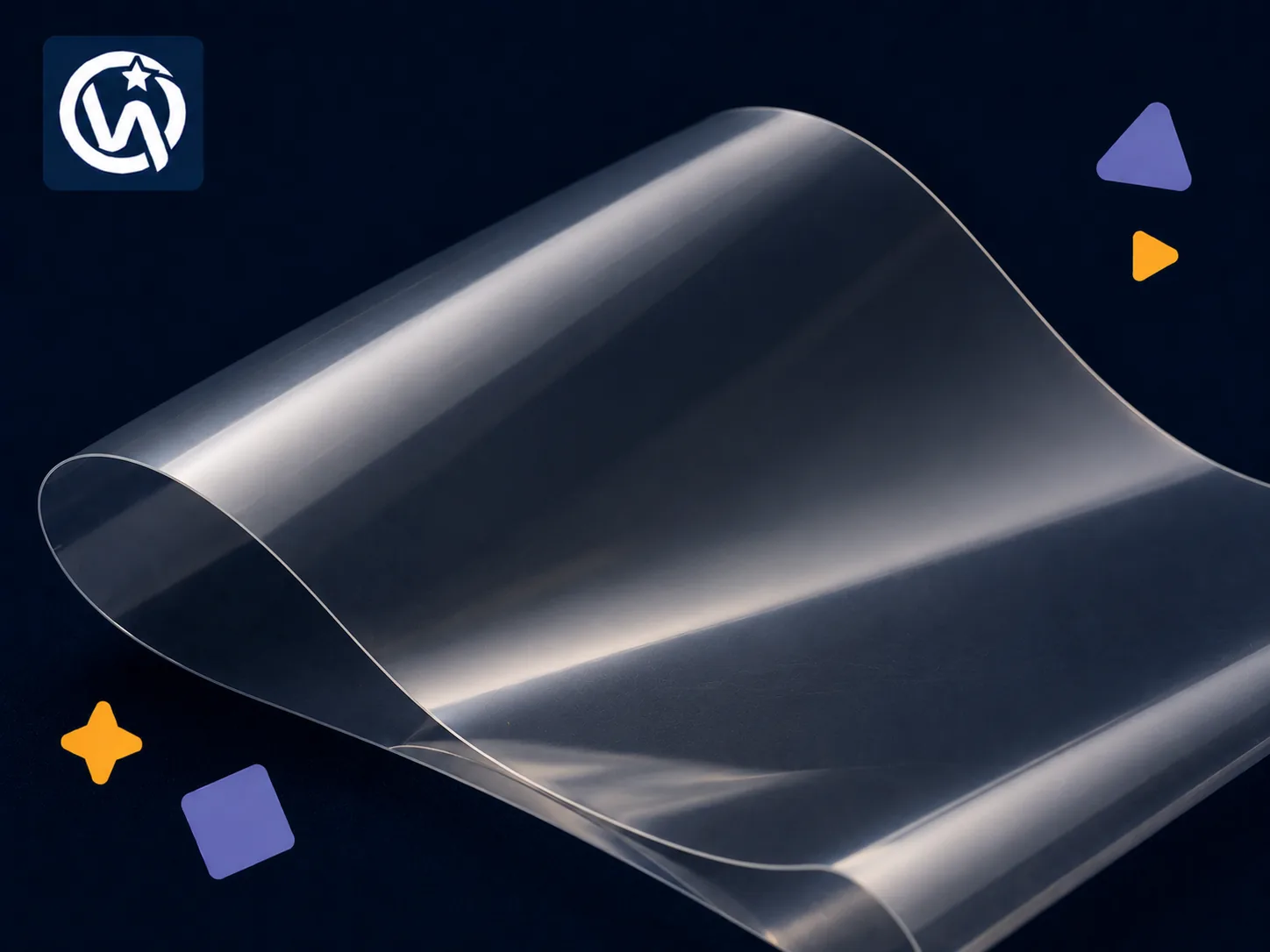
Plant-derived polylactic acid. Industrially compostable under controlled conditions (EN 13432). Crystal-clear or matte finishes available.

Manufacturer-direct biodegradable flexible packaging — certified materials, custom print, FOB Xiamen. Built in our Quanzhou plant to help your brand meet its sustainability commitments.
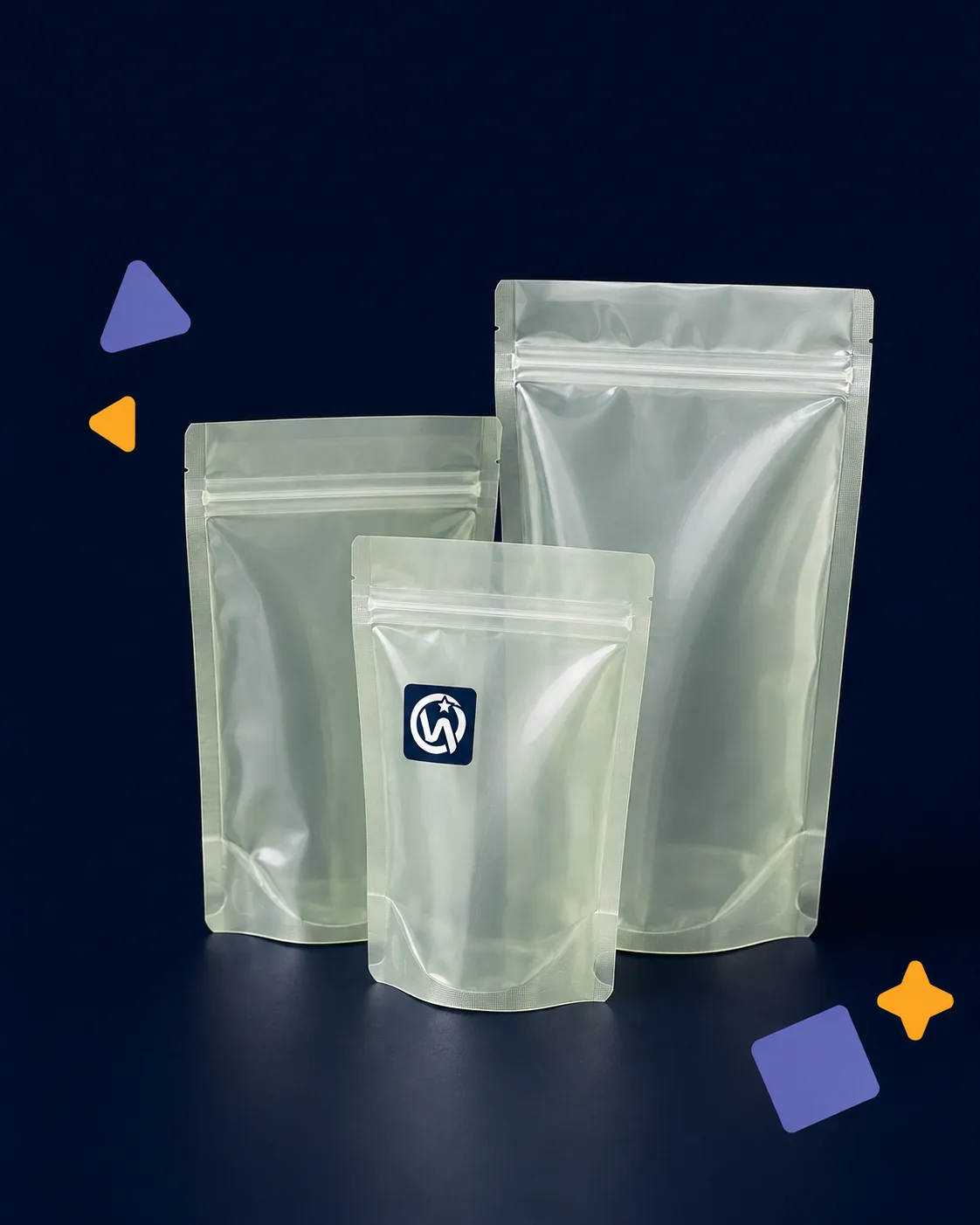
Biodegradable packaging is flexible packaging engineered from plant-derived or partially-derived materials that break down into natural elements through microbial action, leaving no persistent residue. Tansox manufactures biodegradable flexible packaging — including PLA, kraft + bio-PE, cellulose and PCR-blend structures — so brands choosing eco friendly packaging can switch without compromising barrier, print quality or shelf appeal. We help hygiene and medical brands meet sustainable packaging commitments at production scale.
Sustainability claims need substance. Three data points your sustainability lead, procurement team and end customer will all care about.
A standard polyethylene laminate pouch entering landfill today will outlive its brand, its category and its country's current packaging regulations several times over.
Procurement RFPs increasingly demand documented certifications (EN 13432, OK Compost, FSC) — not marketing claims. Biodegradable structures unlock these RFPs.
Plant-derived films (PLA, bio-PE, kraft) draw down carbon during feedstock growth and skip the energy-intensive cracking step of fossil-based polymers.
Each material trades barrier, clarity, cost and end-of-life behaviour differently. Tell us your fill weight and shelf-life target — we'll recommend the right one.
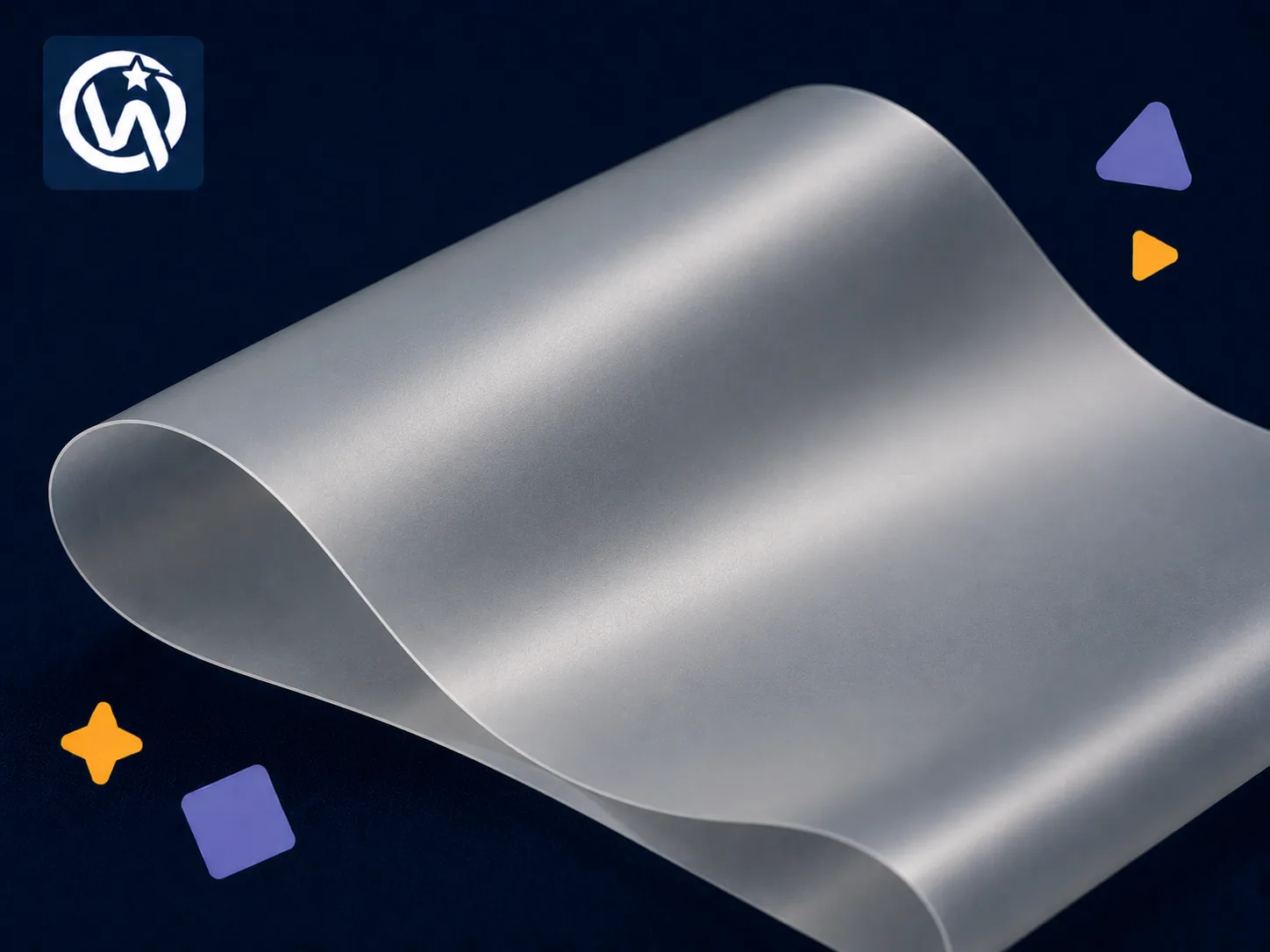
Plant-derived polylactic acid. Industrially compostable under controlled conditions (EN 13432). Crystal-clear or matte finishes available.
Polybutylene succinate offers flexible barrier with full biodegradability. Good moisture resistance for wipes and hygiene applications.

FSC-certified kraft outer with a thin biodegradable PE inner barrier. The natural-look choice — visual cue your customers recognize.
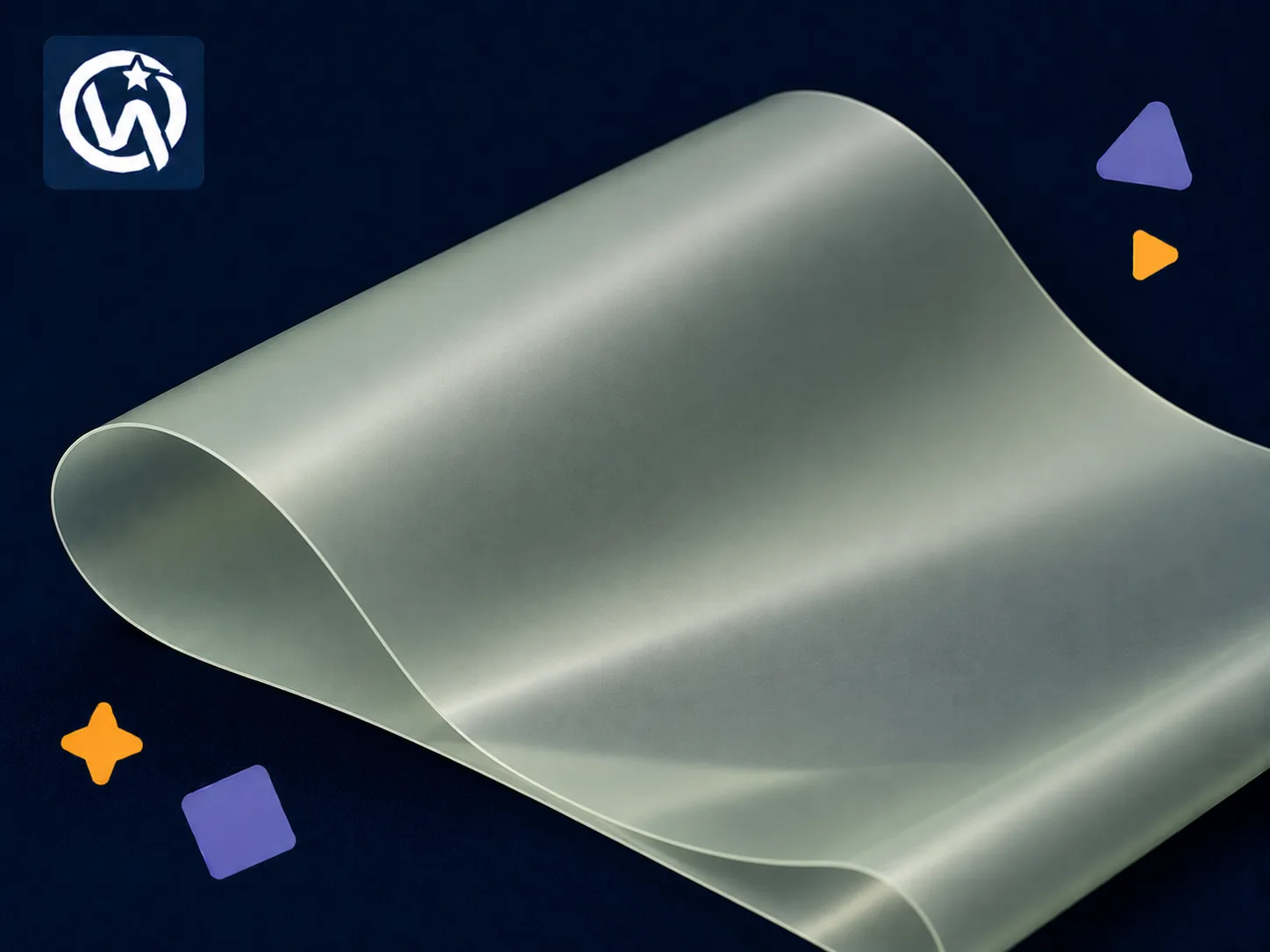
Sugarcane-derived polyethylene. Performs identically to conventional PE on existing filling lines — a drop-in replacement that lowers fossil content.
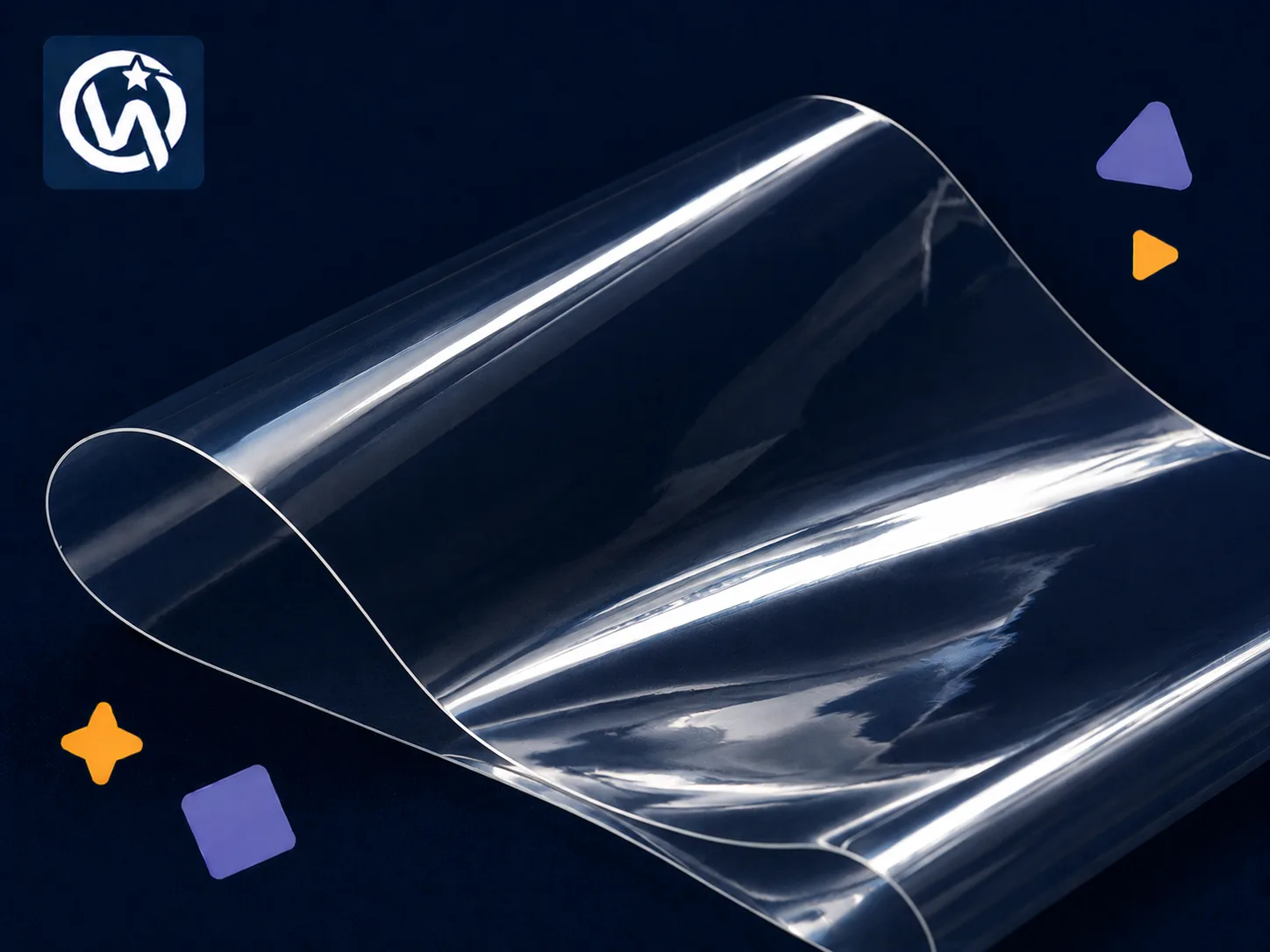
Renewable wood-pulp cellulose. Glass-clear transparency, fully biodegradable in soil, marine and home-compost environments.
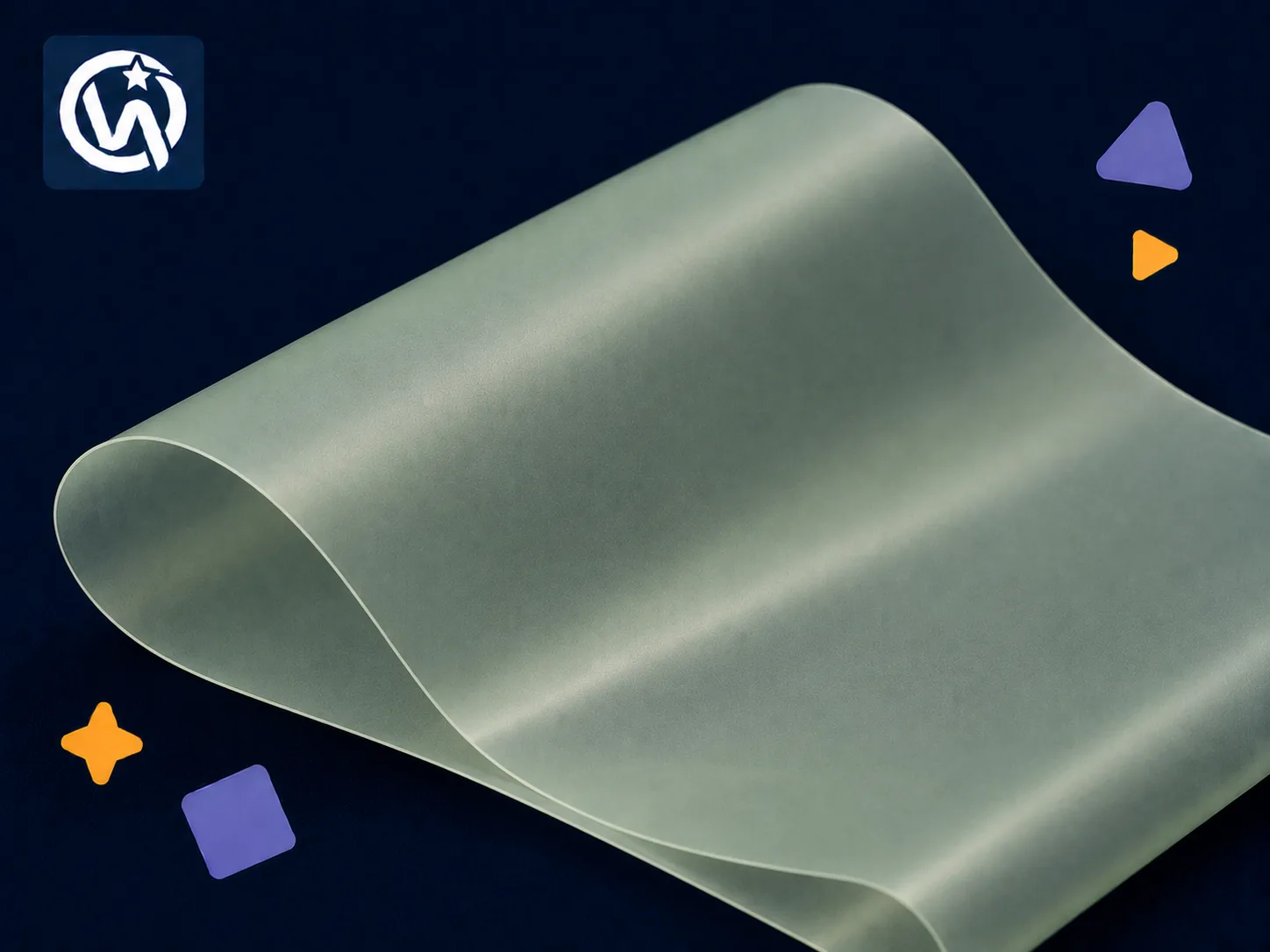
Post-consumer recycled content combined with biodegradable polymers. Circular at both ends — recycled input, biodegradable output.
Every Tansox bag format can be produced in biodegradable material structures — no separate tooling, no separate factory, no separate quote.
Tansox holds active quality and compostability certifications across our biodegradable program. Specific certificates are issued per material — request a Certificate of Conformity with your sample order.
Certified scope: design and printing of PE and PP plastic packaging bags, issued by Beijing East Allreach Certification Center Co., Ltd. (EACC). Certificate copies available on request.
Same certified scope as ISO 9001, also issued by EACC and accredited by CNAS under the IAF Multilateral Recognition Arrangement. Valid to 4 Nov 2028.
European harmonized standard for packaging recoverable through composting and biodegradation. Required for the "Seedling" mark used across EU member-state retailers.
The North American specification for plastics designed to be aerobically composted in municipal or industrial facilities. Required by BPI-certified compostable claims.
TÜV Austria's certification mark for industrially compostable products. The most widely recognized compostability badge across European and Asian retail.
All Tansox flexible packaging — biodegradable and conventional — ships with a BPA-free declaration. Critical for hygiene, baby and medical packaging buyers.
No intentionally-added per- and polyfluoroalkyl substances. Aligns with US state-level (California, Maine, New York) and EU PFAS-restriction regulations.
Tansox biodegradable packaging ships globally for category leaders across these markets. Each market has its own page with material recommendations and product specs.
Established ~1976 in Quanzhou, Fujian. We've evolved from conventional laminates to a certified biodegradable program — the production know-how transfers, the substrate doesn't.
Tansox operates ISO 9001:2015 and ISO 14001:2015 certified management systems, issued by EACC and accredited by CNAS under the IAF Multilateral Recognition Arrangement. Every production lot ships with COA and a Certificate of Conformity referencing relevant compostability standards.
Three Incoterms, two ports, one consolidated container per customer. Biodegradable orders ship with the same lead times and freight options as our conventional line.
Biodegradable packaging breaks down into natural elements over time through microbial action — but the term itself does not specify a timeframe or environment.
Compostable packaging is a stricter subset: it must break down within a defined time (typically 90–180 days) under specified conditions (industrial or home compost) and leave no toxic residue. All compostable packaging is biodegradable, but not all biodegradable packaging is certified compostable.
Yes. Tansox supplies biodegradable structures certified to EN 13432 (European industrial compostability), ASTM D6400 (US compostability) and TÜV Austria OK Compost. Specific certifications depend on the material chosen — our PLA-based films and certain kraft + bio-PE laminates carry full certification, while bio-PE drop-in films focus on renewable feedstock claims.
Our sales team can confirm which certifications apply to your selected structure and issue a Certificate of Conformity with your sample order.
Standard MOQ for custom-printed biodegradable packaging is 10,000 units per SKU, matching our conventional pouch program. Some specialty biodegradable structures may carry a higher MOQ (20,000+) based on minimum roll efficiency on the dedicated biodegradable lines.
Unprinted biodegradable stock from 5,000 units may be available for prototype runs — ask our team about current stock film inventory.
Fill in the basics — our application engineers will recommend a certified biodegradable structure and have an FOB quote back within one business day.