Carbon Reduction in Flexible Packaging.
How Tansox helps hygiene and personal care brands reduce the carbon footprint of their flexible packaging — materials, structures and manufacturing.
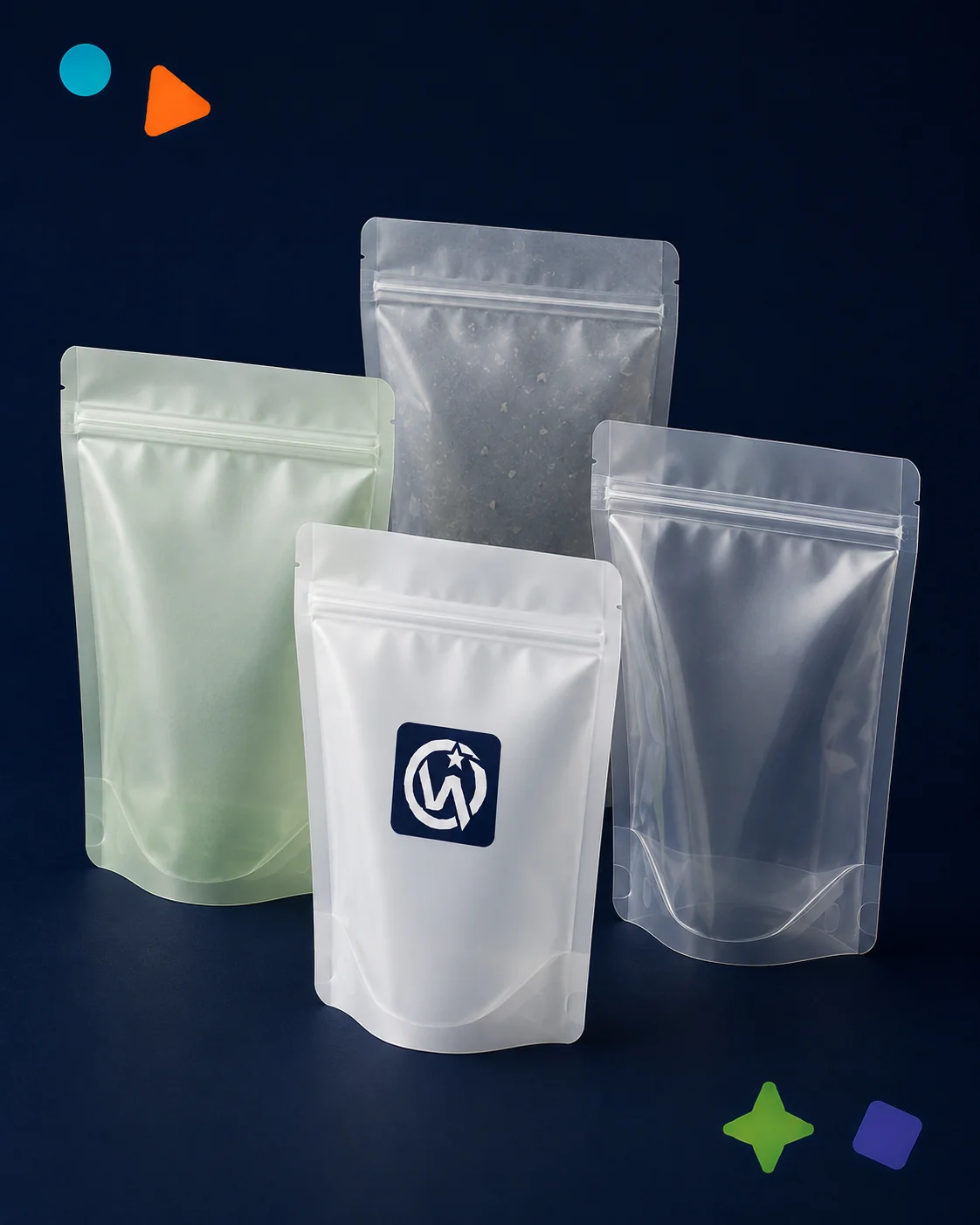
Flexible packaging already has a lower carbon footprint than rigid alternatives — it uses less material per unit, requires less energy to produce and generates less transport weight. But material choices still matter. Tansox offers a range of lower-carbon packaging structures — mono-material films, bio-based PE, PCR content, lightweight laminates — that help brands reduce their packaging carbon footprint without compromising product protection or print quality.
Six levers for lower-carbon packaging.
Each lever is available across current Tansox product lines — not a future roadmap item.
Lightweight Structures
Thinner gauge films and optimised laminate structures reduce material weight per unit — directly lowering embodied carbon.
Mono-Material Films
All-PE and all-PP structures eliminate mixed-polymer laminates, improving recyclability and reducing end-of-life emissions.
Bio-Based Film Options
Bio-PE from sugarcane and PLA from corn starch replace fossil-derived plastics with renewable feedstock materials.
PCR Content
30–50% post-consumer recycled content reduces virgin plastic demand and associated upstream carbon emissions.
In-House Production
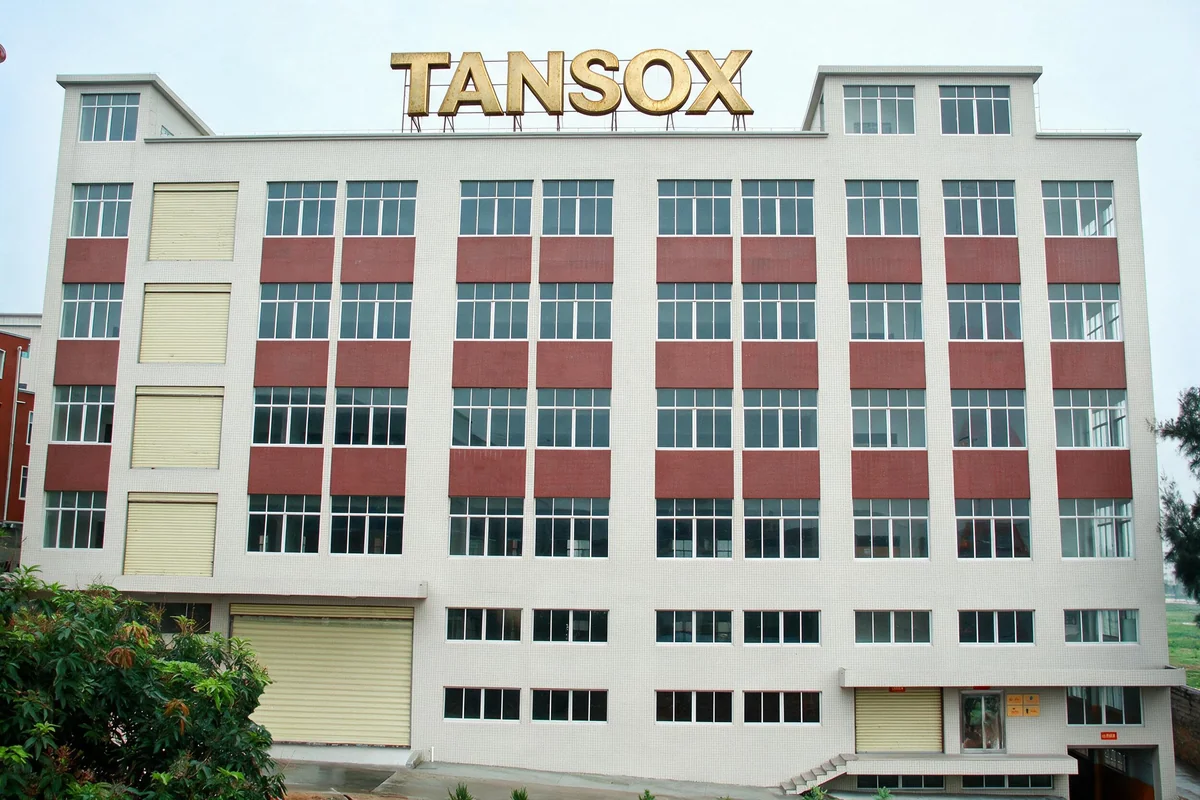
All printing, lamination and converting under one roof in Quanzhou. No inter-factory transport in the production chain.
Efficient Manufacturing
Continuous improvement in energy use, material yield and waste recovery across the Quanzhou production facility.
The credentials behind our lower-carbon claims.
Carbon impact depends on the material and its end of life. Tell us what your carbon reporting needs at the quote stage and we'll confirm what material documentation we can provide.
-
Current CertificationsISO 9001 & ISO 14001 certified, issued by EACC — ISO 9001 valid to 2029, ISO 14001 valid to 2028.
-
Lower-Carbon StructuresBio-PE (bio-based carbon) PCR content Mono-PE/PP (recyclable) Compostable PLA
-
Carbon DataCarbon impact needs a life-cycle assessment (LCA) of the specific structure. Tell us what your reporting needs at the quote stage and we'll confirm what material documentation we can provide.
-
Chemical RegulationsREACH (EU chemicals regulation), RoHS (EU directive on hazardous substances in electrical and electronic equipment) and BPA and PFAS restrictions are listed here as buyer information. Tell us which regulations apply to your market at the quote stage and we'll confirm what material documentation we can provide.
-
Factory AuditAvailable by appointment at Quanzhou facility.
Lower-carbon options available across all formats.
Mono-material, bio-based and PCR content structures are available across the same pouch, bag and film formats your production line already uses.
Hygiene, personal care & medical categories we pack for.
Tansox lower-carbon packaging ships to category leaders across these markets. Each market has its own page with material recommendations and product specs.
Sustainability is a discipline, not a marketing line.
50 Years Manufacturing Experience
Established in Quanzhou, Fujian. Lower-carbon structures are available alongside our conventional line — same facility, same lead times.
ISO 9001 & ISO 14001 Certified
Tansox operates ISO 9001:2015 and ISO 14001:2015 certified management systems, issued by EACC and accredited by CNAS under the IAF Multilateral Recognition Arrangement. Tell us what your ESG reporting needs at the quote stage and we'll confirm what material documentation we can provide.
Flexible Shipping Terms
Three Incoterms, two ports, one consolidated container. Lower-carbon packaging ships with the same freight options as our conventional line.
Questions buyers ask before quote.
Flexible packaging typically uses 60–70% less material per unit than rigid alternatives and generates significantly lower transport emissions due to lower pack weight. Further reductions come from material choices: switching from multi-layer foil laminates to mono-material PE structures, adding PCR content, or using bio-based PE from sugarcane can reduce the embodied carbon of each unit meaningfully. Tansox can advise on the most practical lower-carbon structure for your application.
Lower-carbon options at Tansox include: mono-material all-PE and all-PP structures, bio-PE from sugarcane (drop-in PE replacement with renewable carbon), PCR content films (30–50% post-consumer recycled), compostable PLA structures and lightweight thin-gauge laminates. All options are available in custom-printed formats with the same MOQ and lead time as standard structures.
Carbon impact depends on the material and its end of life, so ask for a life-cycle assessment (LCA) of the specific structure. We recommend a third-party LCA provider, using Tansox's material and weight specifications as inputs. Tell us what your carbon reporting needs at the quote stage and we'll confirm what material documentation we can provide.