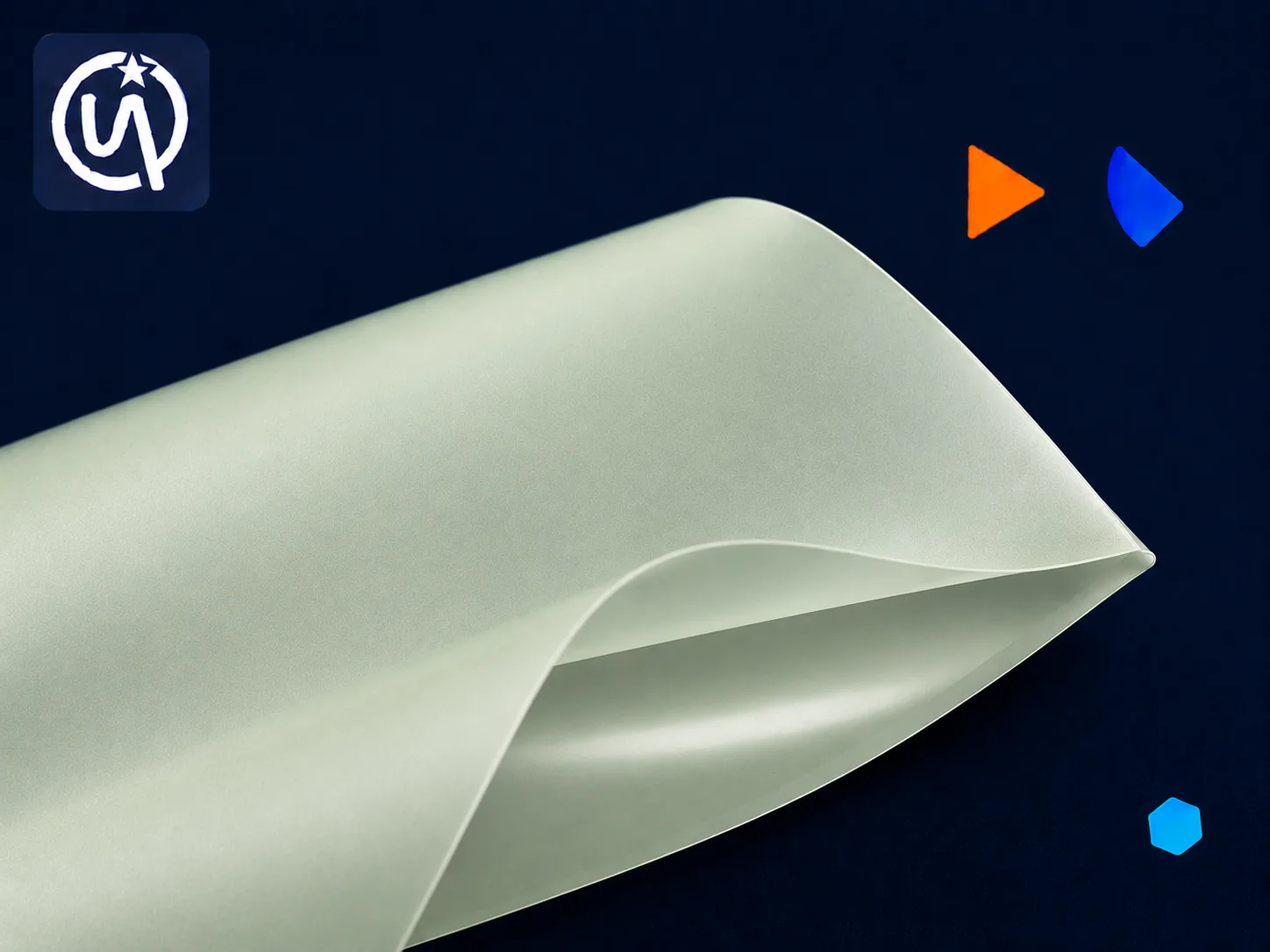
Polyethylene derived from sugarcane ethanol. Drop-in replacement for fossil PE — same performance, lower carbon.

Bio-based and plant-derived flexible packaging for hygiene and personal care brands. Sugarcane PE, PLA, NatureFlex and more — FOB Xiamen.
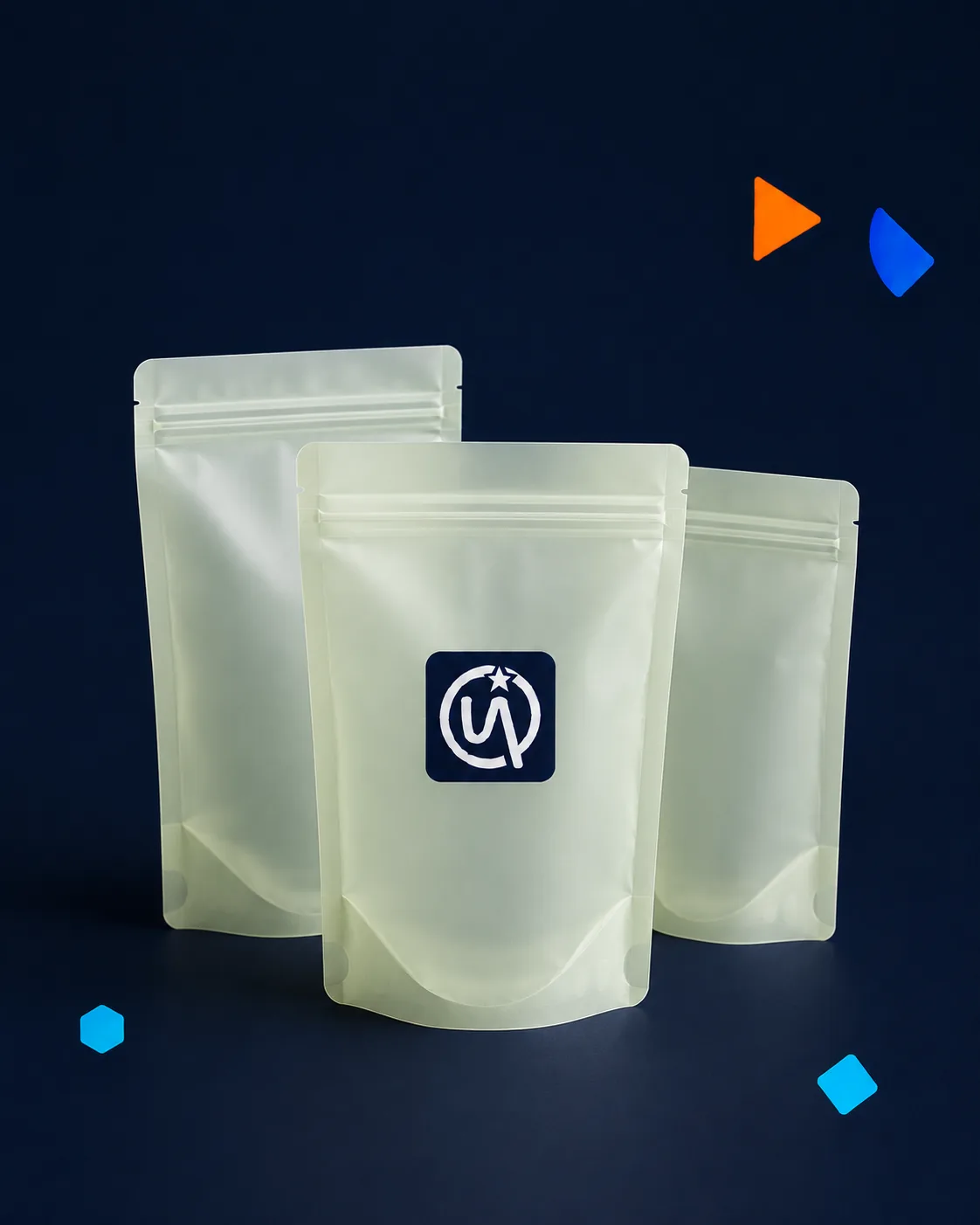
Plant-based packaging materials are flexible films and laminates derived from renewable biological sources — sugarcane, corn starch, cellulose — rather than fossil fuel feedstocks. Switching to plant-based or bio-based films reduces dependence on virgin petroleum-derived plastics and can lower the carbon footprint of packaging production, making them an important part of a brand's sustainable packaging strategy.
From drop-in bio-PE replacements to home-compostable cellulose film — each structure is derived from renewable plant feedstocks rather than petroleum.
Polyethylene derived from sugarcane ethanol. Drop-in replacement for fossil PE — same performance, lower carbon.
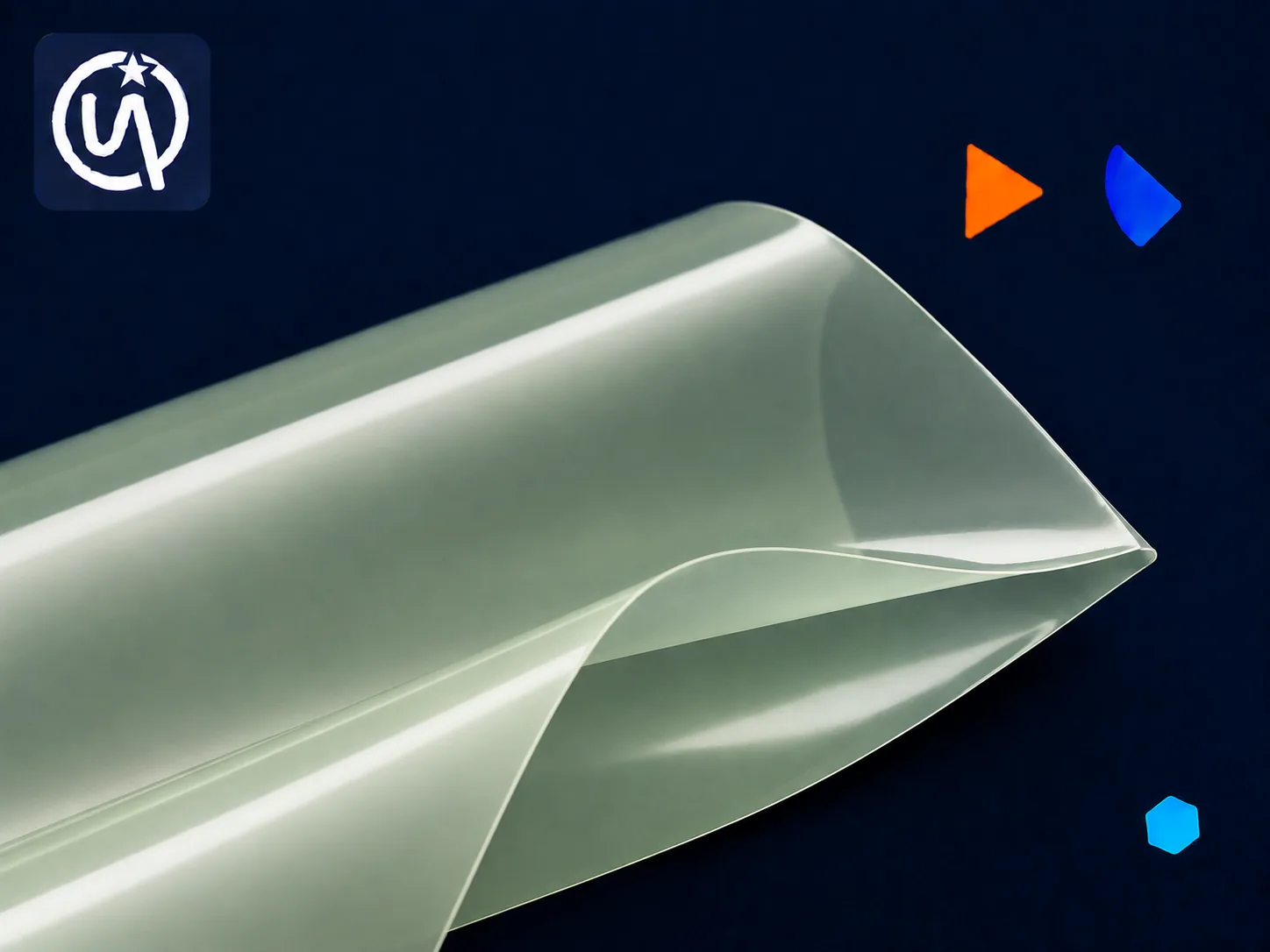
Polypropylene from bio-based feedstocks. Compatible with existing PP film converting lines.
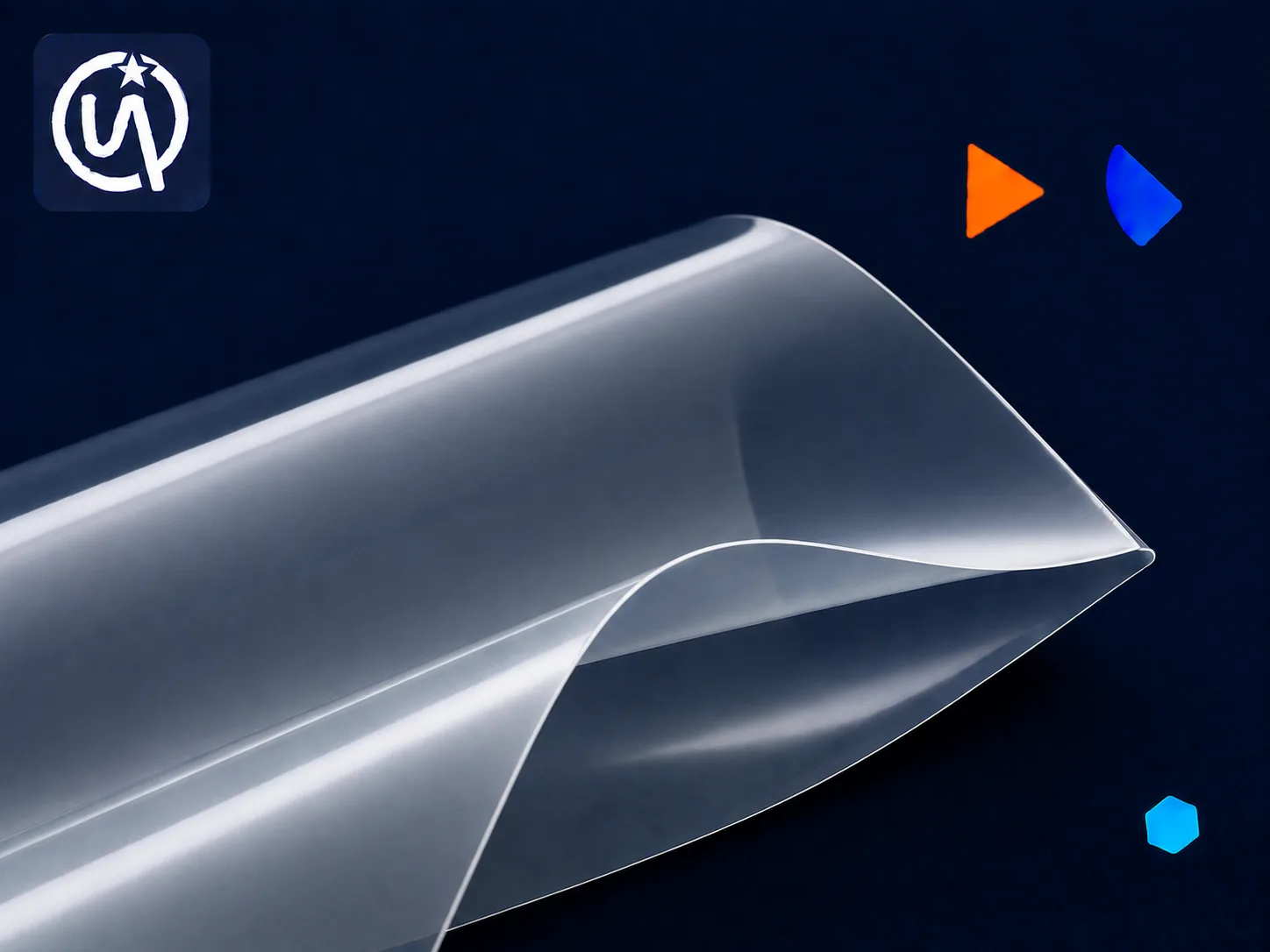
Polylactic acid film derived from corn starch. Compostable under industrial conditions (EN 13432).
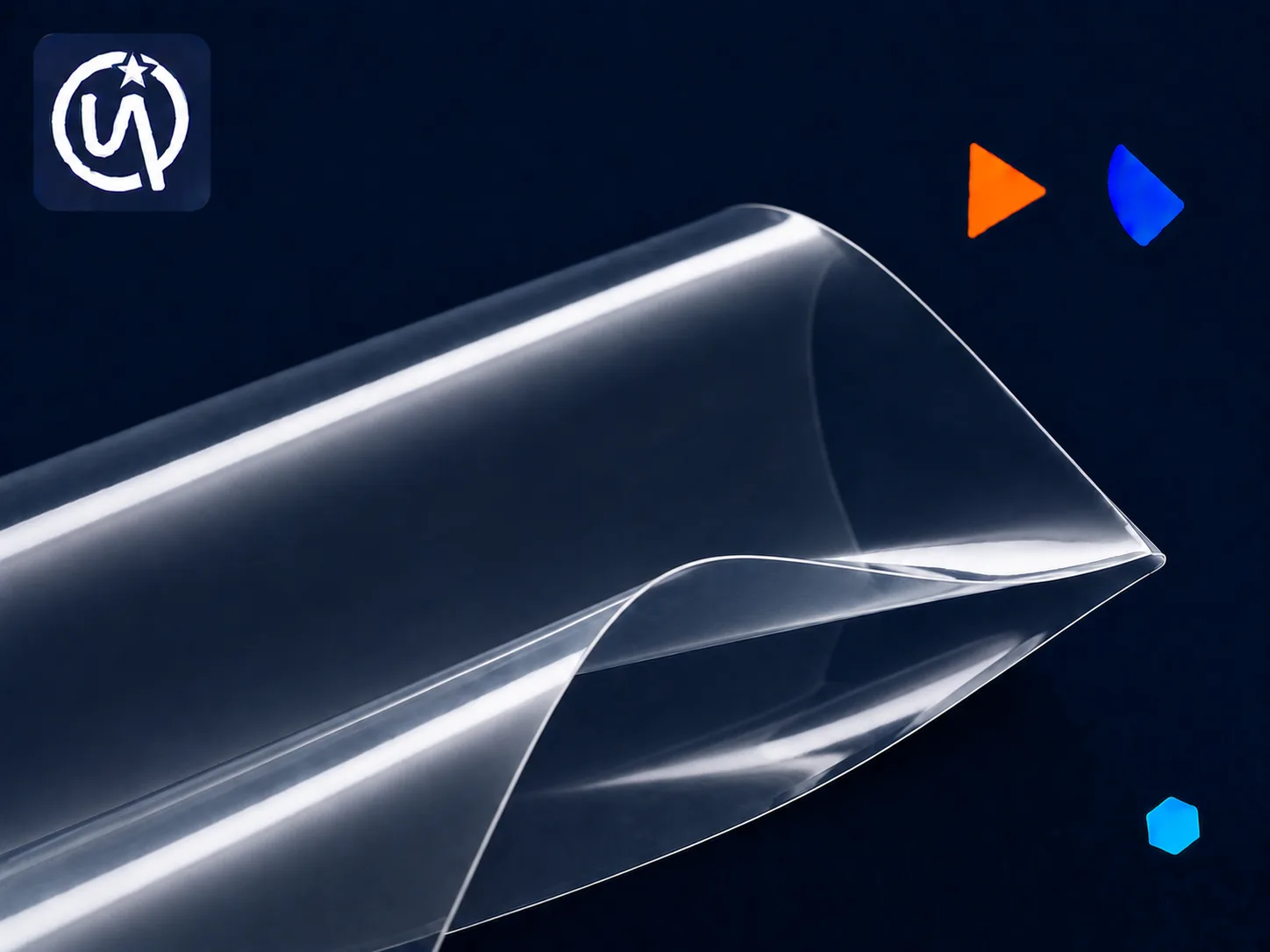
Transparent film derived from wood pulp. Home compostable and biodegradable.
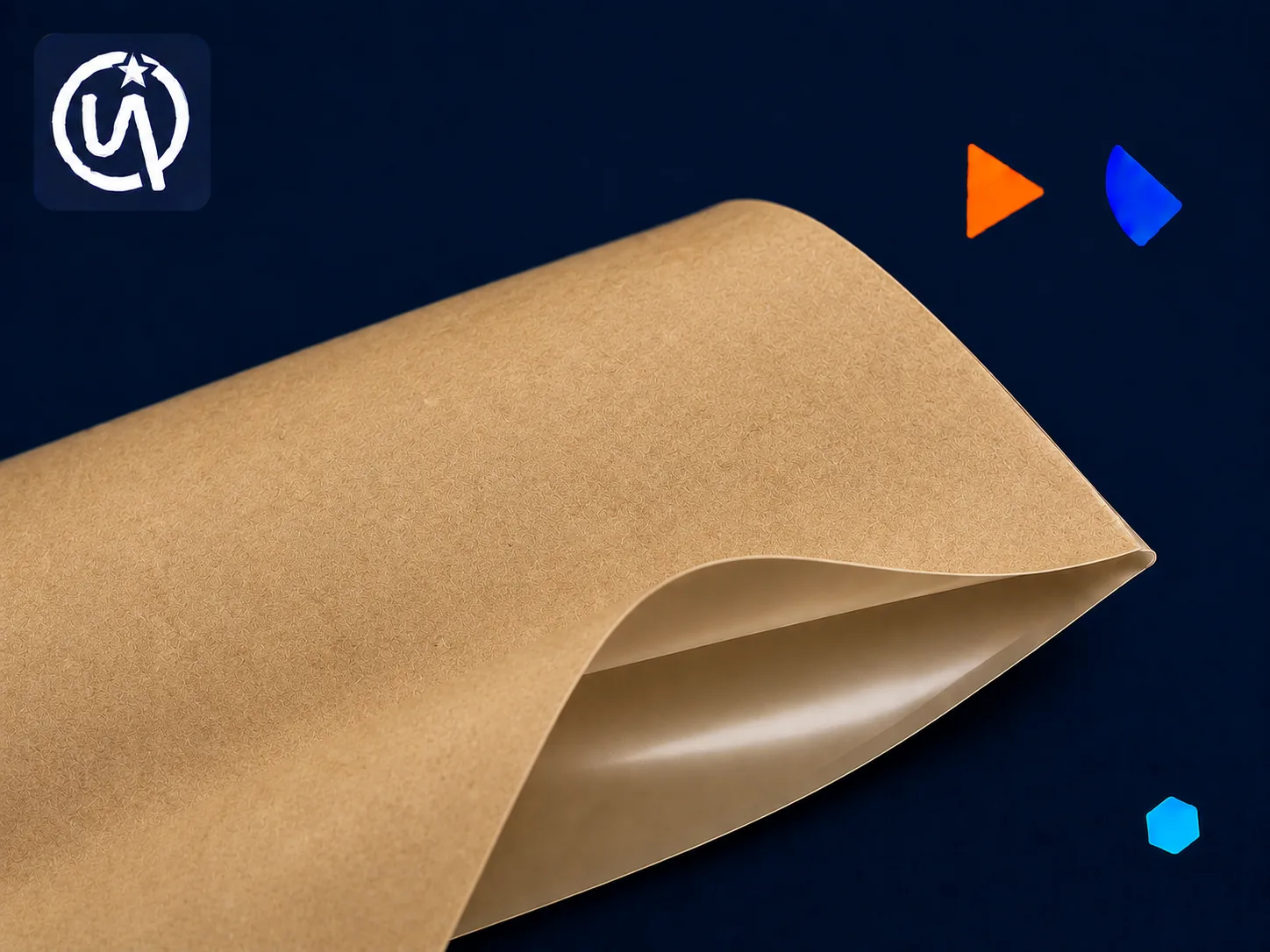
FSC-certified paper from responsibly managed forests. Renewable, widely recycled.
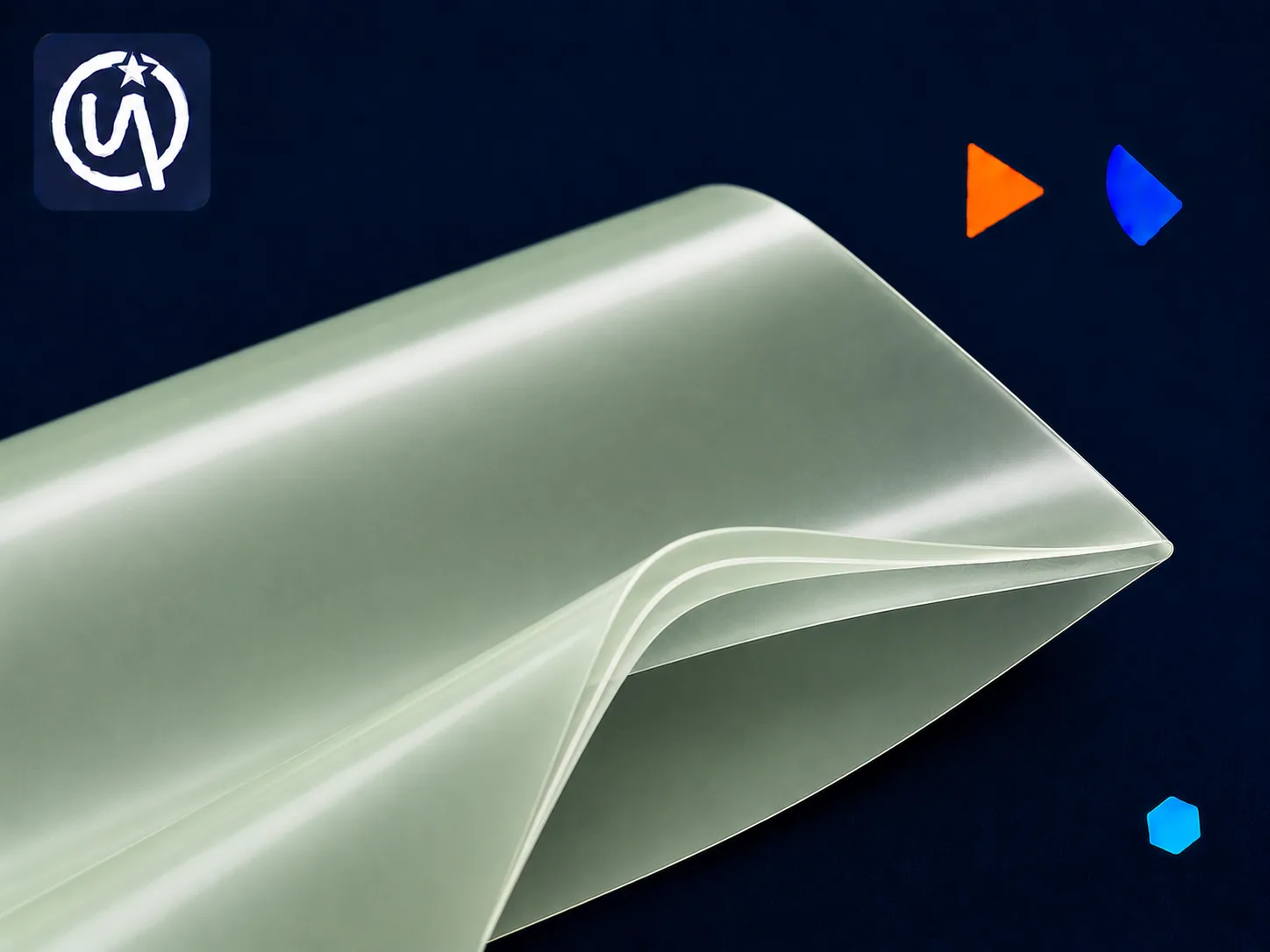
Multi-layer laminates combining bio-PE or PLA layers with barrier films for hygiene applications.
The table below covers bio-based content, available certifications and standard production parameters for plant-based structures.
Plant-based structures can be specified across pouches, bags and rollstock formats — including kraft-based formats for paper-forward brand positioning.
Tansox plant-based packaging ships globally for category leaders across these markets. Each market has its own page with material recommendations and product specs.
Established in Quanzhou, Fujian. We've evolved from conventional laminates to certified sustainable structures — the production know-how transfers, the substrate doesn't.
Tansox operates ISO 9001:2015 and ISO 14001:2015 certified management systems, issued by EACC and accredited by CNAS under the IAF Multilateral Recognition Arrangement. Every production lot ships with COA and bio-based certification documentation on request.
Three Incoterms, two ports, one consolidated container per customer. Plant-based orders ship with the same freight options as our conventional line.
Plant-based flexible packaging uses films derived from renewable biological sources — sugarcane, corn starch, wood pulp — instead of petroleum. Bio-PE from sugarcane is the most practical option for hygiene packaging brands: it is a direct drop-in replacement for standard PE film with the same processing and performance characteristics, but with a significantly lower carbon footprint.
Not necessarily. Bio-based refers to the source of the raw material (plant-derived vs petroleum-derived) — it does not automatically mean the material biodegrades. Bio-PE, for example, is bio-based but not biodegradable — it is recyclable in PE streams. PLA is both bio-based and compostable under industrial conditions. Confirm end-of-life requirements with our sales team when selecting a material.
MOQ for plant-based packaging is 10,000 units per SKU, consistent with standard Tansox flexible packaging. Lead times may be slightly longer for bio-based structures — confirm at quotation stage. Contact our sales team for pricing and availability.
Fill in the basics — you'll have a structure recommendation and an FOB quote within one business day.